
Technical seminar on ventilated façade safety
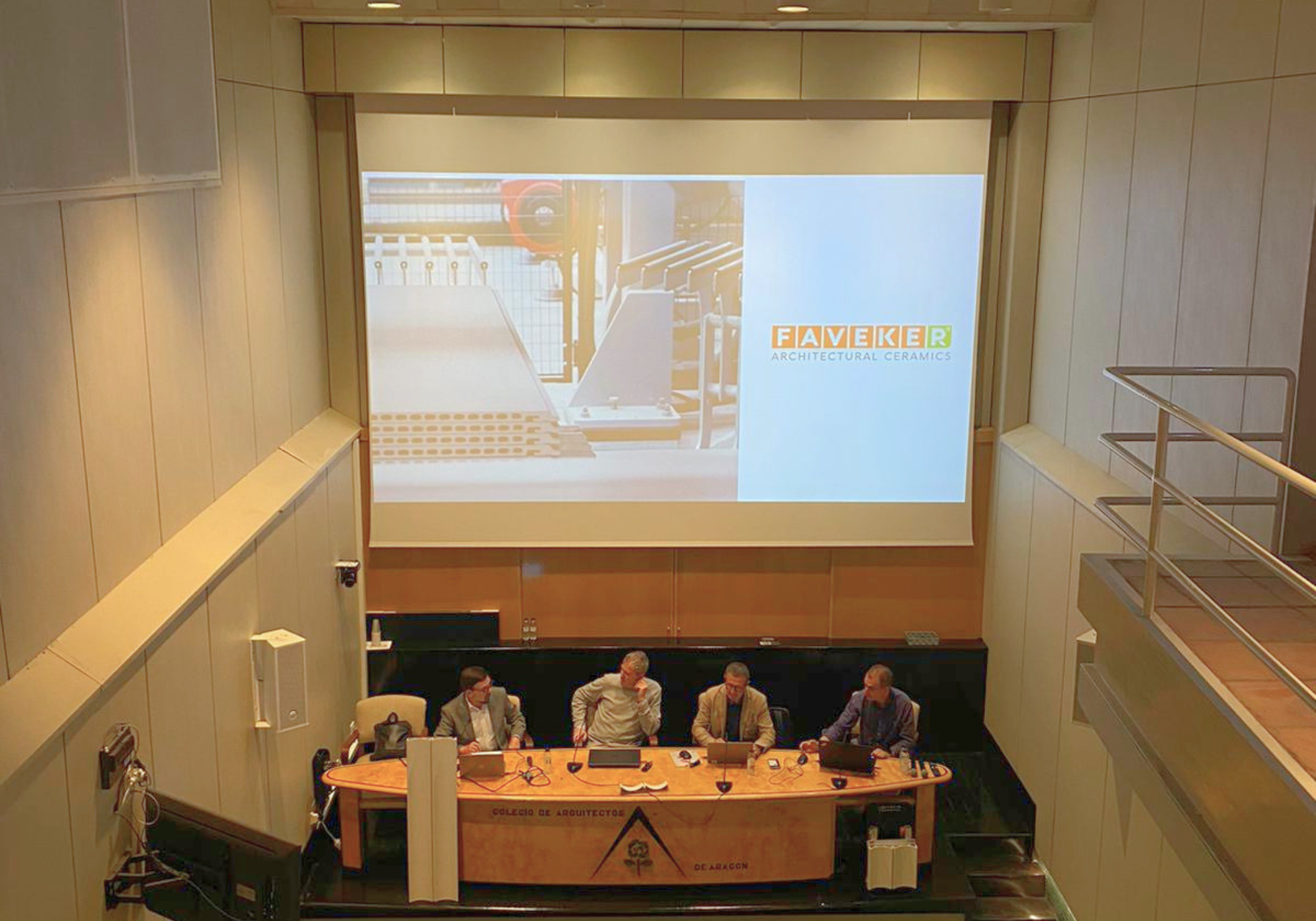
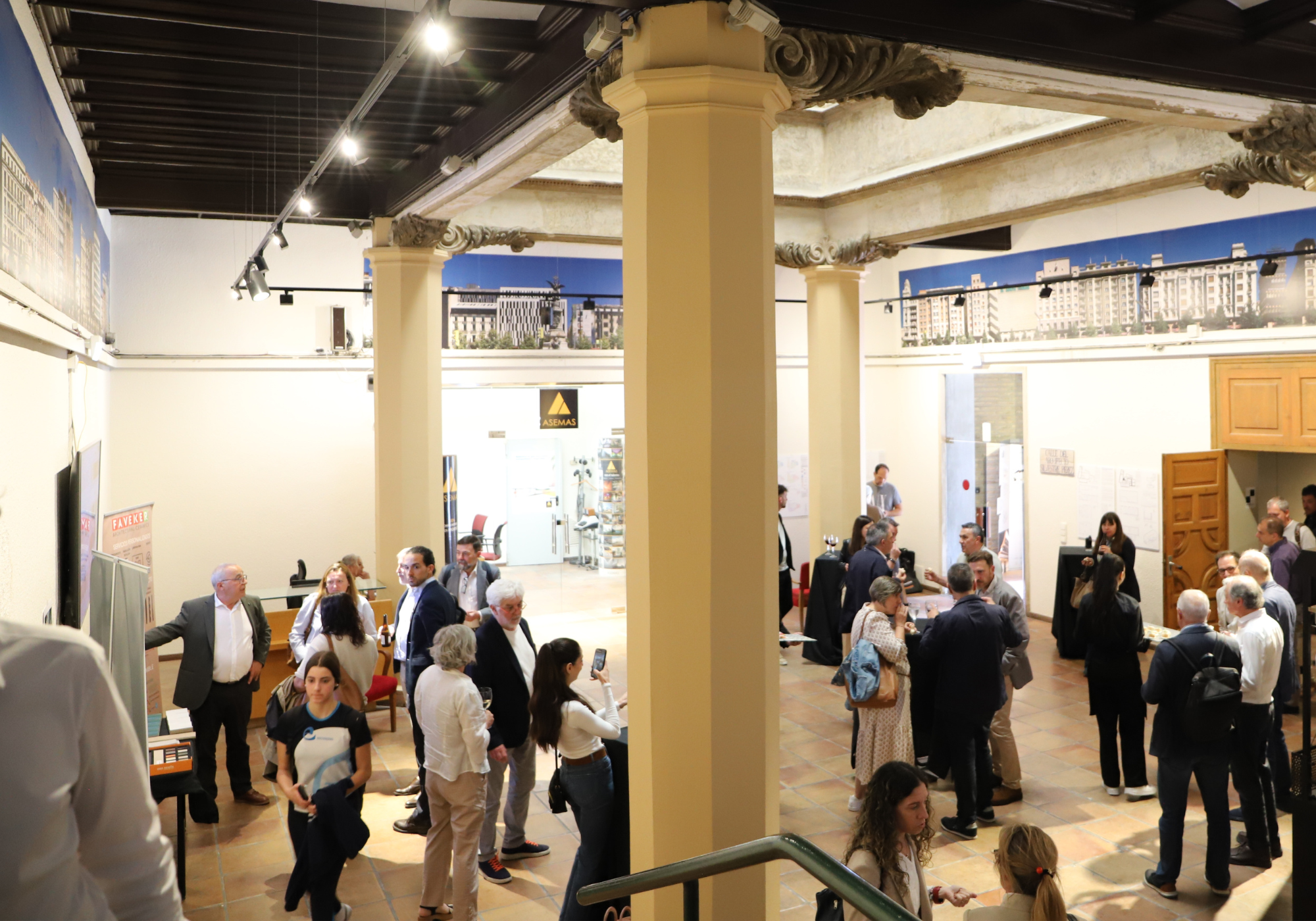
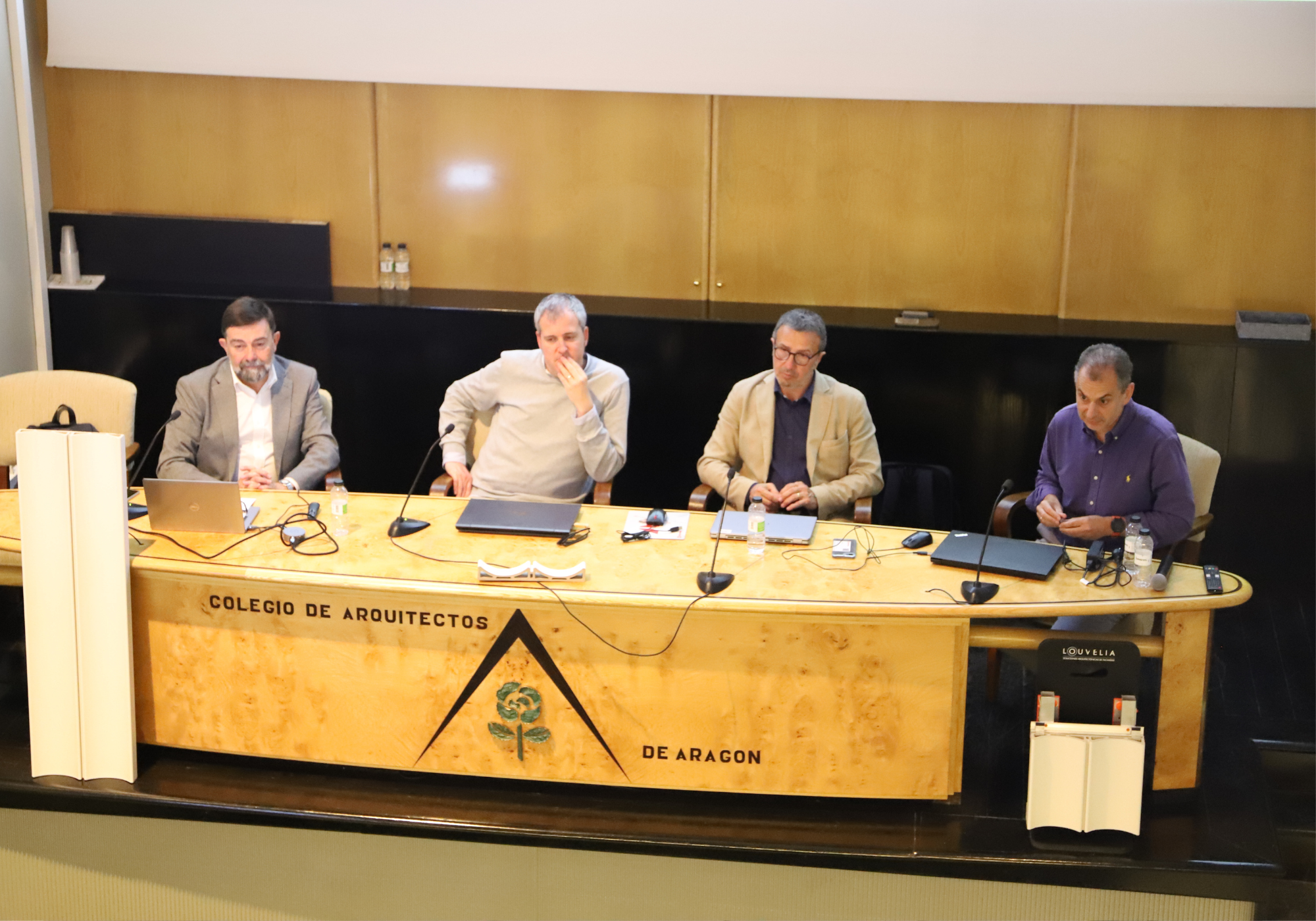
On 30 April, Gres Aragón, took part through FAVEKER, our division of extruded ceramic ventilated facades, at the technical seminar “How to prevent fires in buildings with ventilated facades. Redesign of the Campanar building in Valencia”, organised in collaboration with the Official Association of Architects of Aragon (COAA) in Zaragoza and aimed at professionals in the fields of architecture, construction and renovation.
The session, held at the COAA’s headquarters, brought together numerous professionals from the sector with the aim of reflecting on one of the main challenges currently facing contemporary building: the fire safety in ventilated façade systems. This type of building solution, which is growing in popularity due to its advantages in terms of ENERGY EFFICIENCYthermo-hygrometric performance and architectural design freedom, also requires a thorough technical analysis of its behaviour in the event of a fire.
As a case study, the seminar focused on the redesign project for the Campanar (Valencia), which had been damaged by fire and whose refurbishment presented a significant technical, regulatory and construction challenge. This real-world example provided a practical opportunity to address decision-making in complex refurbishment projects, as well as to analyse the various construction solutions proposed and the technical criteria that led to the final selection of the façade system.
The architect Batiste Boronat, from the firm ARQUEHA and project director, was tasked with presenting a detailed account of the main challenges of the project. During his presentation, he explained the building’s constraints, the demands of the renovation process and the need to adopt construction solutions that would guarantee both safety and compliance with current technical and regulatory requirements. He also explored in depth the design process that led to the choice of a ceramic cladding as the most suitable solution for the project.
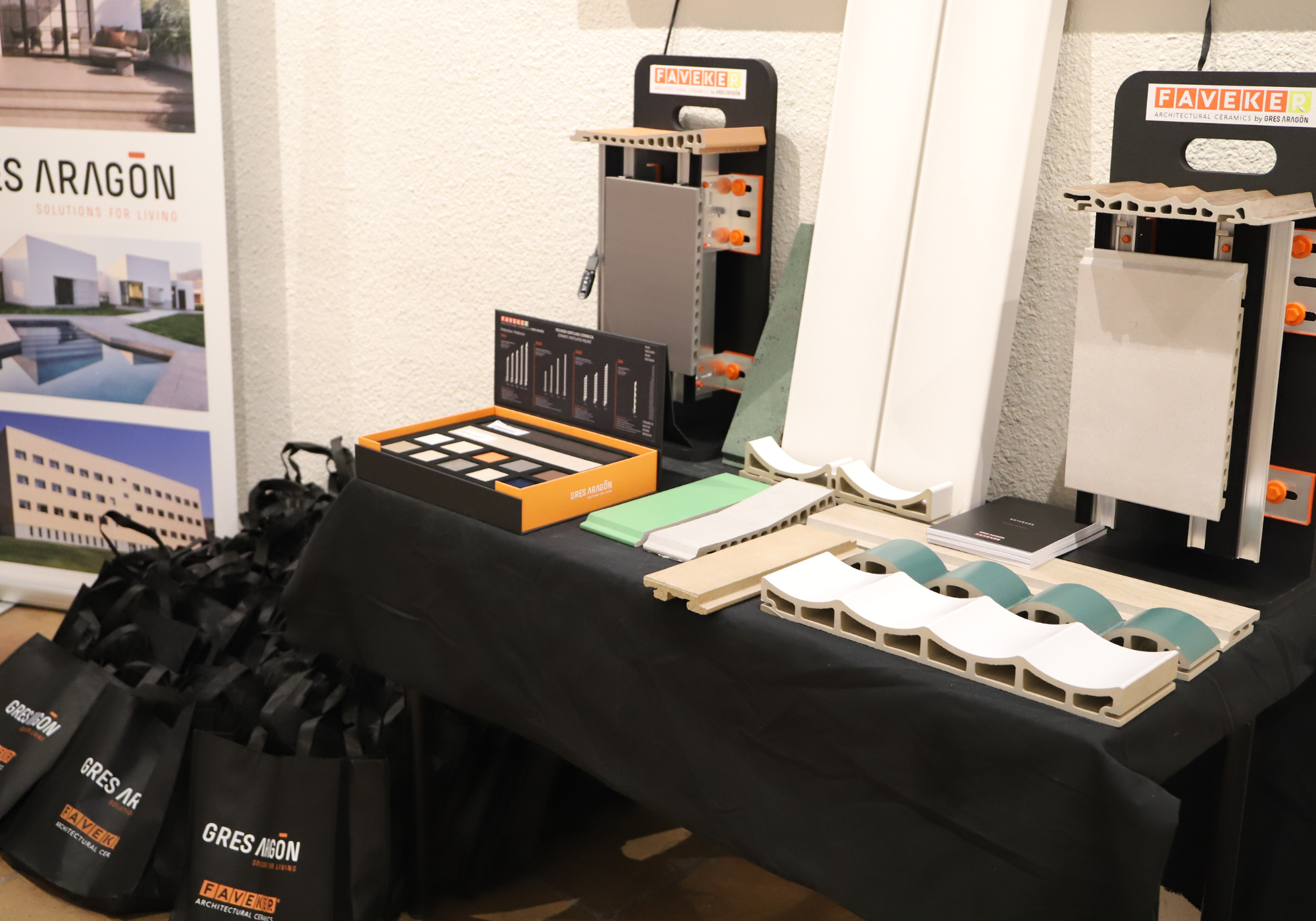
Meanwhile, technical experts from Louvelia, FAVEKER and the ROCKWOOL Group—companies involved in the development of the building system—presented the materials and technical solutions used in the project. Their presentations focused on the characteristics of the products used, the the fire performance of the systems, the selection criteria applied and the adaptation of solutions to the specific needs of the building, as well as their validation under real-world conditions.
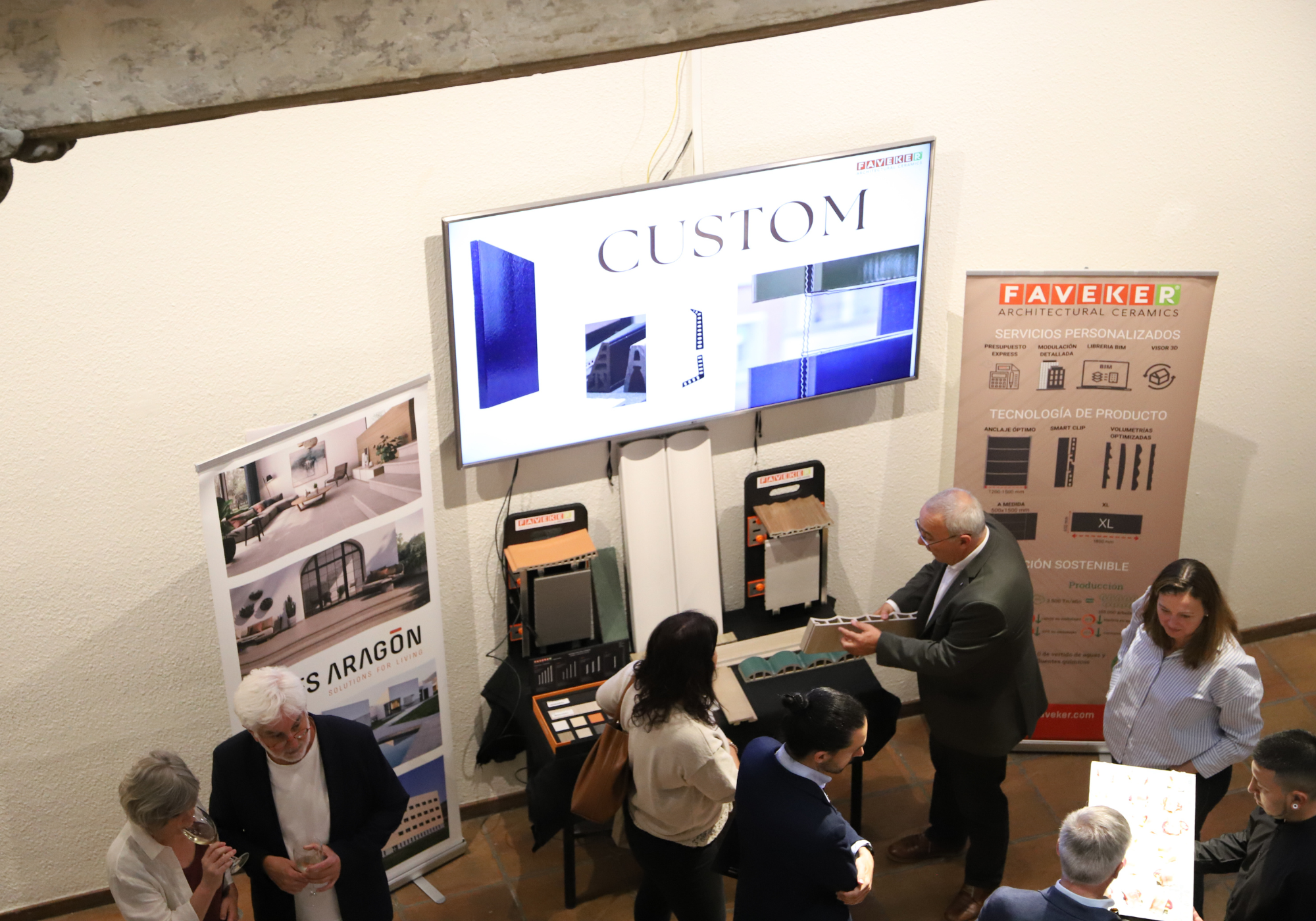
The conference also highlighted the evolution of extruded ceramic as a high-performance material in the field of ventilated facades. Its ability to meet current technical requirements was highlighted, particularly in terms of safety, durability and sustainability. In this context, the importance of developing project-specific solutions was emphasised, through the design of tailored ceramic bodies and complete building systems validated under real-world conditions, which guarantee reliable long-term performance.
In the specific case of the Campanar building, the chosen ceramic solution is non-combustible (classification A1), ensuring maximum fire resistance. Furthermore, it offers high stability at high temperatures and emits no toxic gases in the event of a fire, making a decisive contribution to the safety of the building envelope and the protection of its occupants.
The event provided a forum for technical exchange among industry professionals, fostering discussion on current construction solutions and their future development. It also addressed design and implementation criteria that can be applied to renovation and new-build projects, with a particular focus on the safety, energy efficiency and sustainability of construction solutions.
We at Gres Aragón would like to thank all the speakers, collaborators and attendees for their participation; their involvement and contributions made it possible to organise a technical conference of great value to the construction sector.